

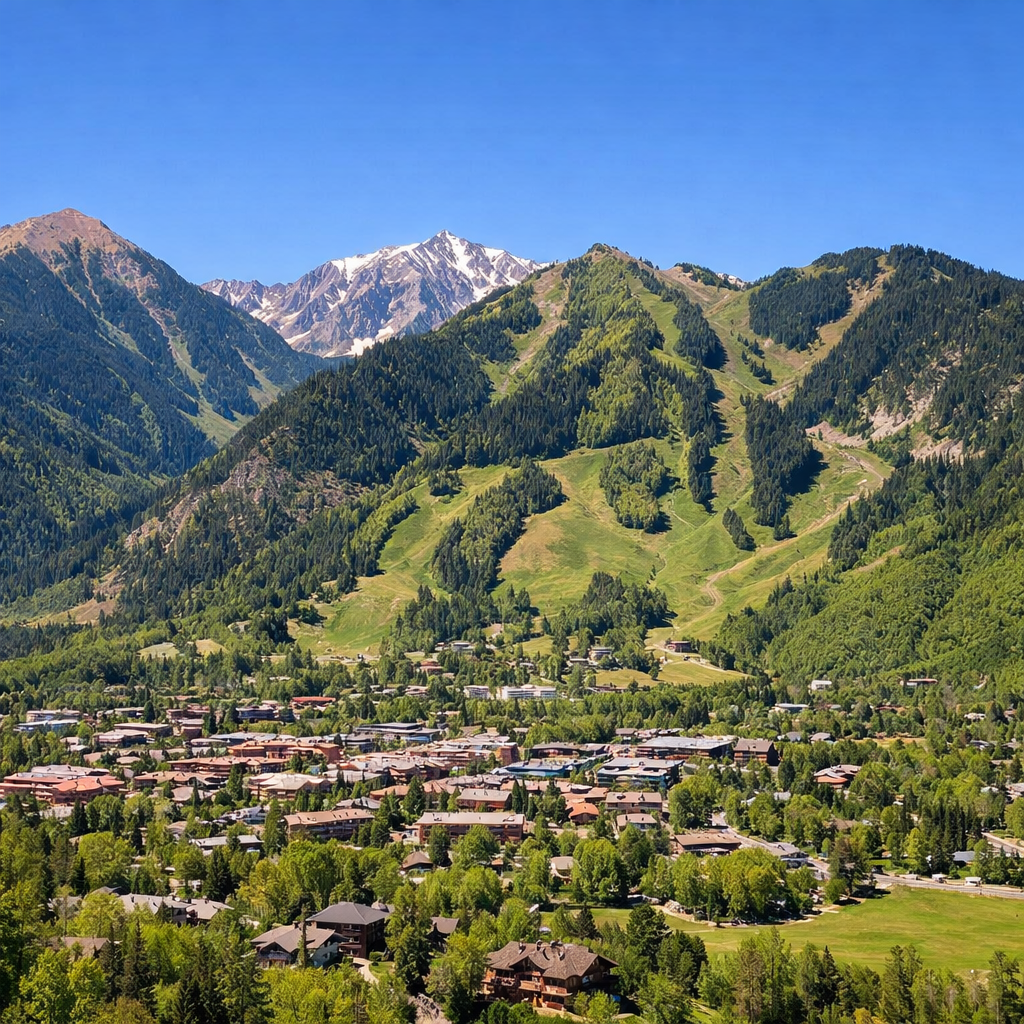
Aspen, Colorado, nestled in the heart of the Rocky Mountains, offers a distinctive climate characterized by significant seasonal changes and notable daily temperature fluctuations. Understanding these patterns is essential for both residents and visitors to make the most of what Aspen has to offer throughout the year.
Seasonal Overview
Winter
Winters in Aspen are cold and snowy, with average high temperatures around 34°F (1°C) and lows dipping to 10°F (-12°C). The town receives substantial snowfall, making it a premier destination for winter sports enthusiasts. However, the dry mountain air and abundant sunshine often create comfortable conditions despite the cold. It’s advisable to dress in layers and be prepared for sudden weather changes.
Spring
Spring brings a gradual warming trend, with average highs reaching 52°F (11°C) by April. However, the season can be unpredictable, with occasional snowfall even as late as May. This transitional period offers a mix of winter and spring activities, but it’s essential to stay updated on weather forecasts and dress accordingly.
Summer
Summers are mild and pleasant, with average highs around 73°F (23°C) in July. The low humidity and cool evenings, with temperatures dropping to the mid-40s°F (7°C), provide a comfortable environment for outdoor activities. Afternoon thunderstorms are common, so carrying a light rain jacket is recommended.
Fall
Fall is marked by crisp air and vibrant foliage, with average highs in the mid-60s°F (18°C) in September, gradually cooling as the season progresses. This period offers excellent conditions for hiking and enjoying the natural beauty of the area. Early snowfall can occur, so it’s wise to be prepared for varying conditions.
Daily Temperature Variations
Aspen experiences significant diurnal temperature variations, especially during the summer months. It’s not uncommon for daytime temperatures to be warm and comfortable, while nighttime temperatures can be quite cool. Dressing in layers allows for adjustments throughout the day to stay comfortable.
Environmental Considerations
The city of Aspen is committed to environmental sustainability and has implemented various initiatives to preserve its natural surroundings. Programs focusing on water conservation, air quality, and climate action are in place to ensure the health and resilience of the community and environment. Residents and visitors are encouraged to participate in these efforts by being mindful of their environmental impact and supporting local sustainability programs.
By understanding Aspen’s unique climate and participating in its environmental initiatives, both residents and visitors can enjoy all that this beautiful mountain town has to offer while contributing to its preservation for future generations.