

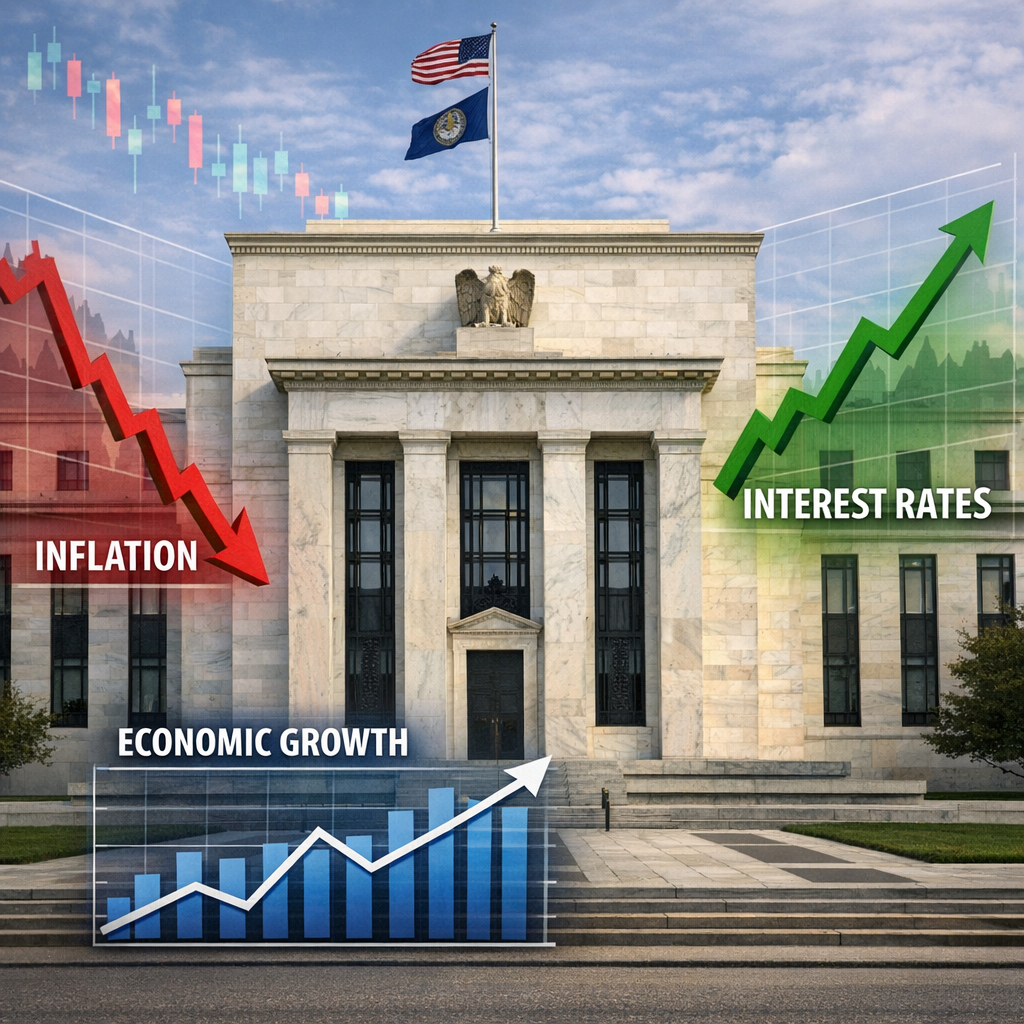
The U.S. economy is experiencing a period of significant change, marked by rising inflation, a booming housing market, and growing concerns over national debt. These developments have far-reaching implications for communities across the nation, including here in Aspen.
Inflation and Federal Reserve Policies
Inflation has been a persistent issue, with the International Monetary Fund (IMF) projecting U.S. economic growth at 2.3% this year. Federal Reserve officials remain divided on future interest rate moves, with some predicting increases while others see potential for reductions, amid uncertainty over inflation trends linked to the Iran conflict. The war has also contributed to a projected global oil demand decline—the first since 2020—due to logistical disruptions and high prices, especially impacting Asia. Yet, U.S. gasoline consumption rose despite elevated prices. Jobless claims slightly decreased, reflecting a still-solid labor market, though job creation slowed notably in June. On Wall Street, markets remained volatile but resilient, with averages showing modest gains despite ongoing concerns about the geopolitical situation’s impact on oil supply and economic stability. The fund expects worldwide growth to rebound to 3.4% next year. The IMF expects the U.S. economy – the world’s largest – to grow a solid 2.3% this year, up from 2.1% in 2025 and unchanged … .
Housing Market Dynamics
The housing market has seen notable shifts, with the median price of existing U.S. homes reaching a record $440,600 in June. This surge in prices, coupled with a slowdown in sales activity, has raised concerns about affordability and accessibility for many prospective homebuyers.
National Debt and Economic Stability
Concerns over the national debt have been highlighted by financial leaders. BlackRock CEO Larry Fink has warned that the ballooning U.S. national debt, now exceeding $38 trillion, could lead to increased interest costs and potential shifts in borrowing costs. He emphasized the importance of sustained economic growth to improve the debt-to-GDP ratio.
As these economic trends continue to evolve, it’s crucial for communities like Aspen to stay informed and consider the local impacts of these national developments.