

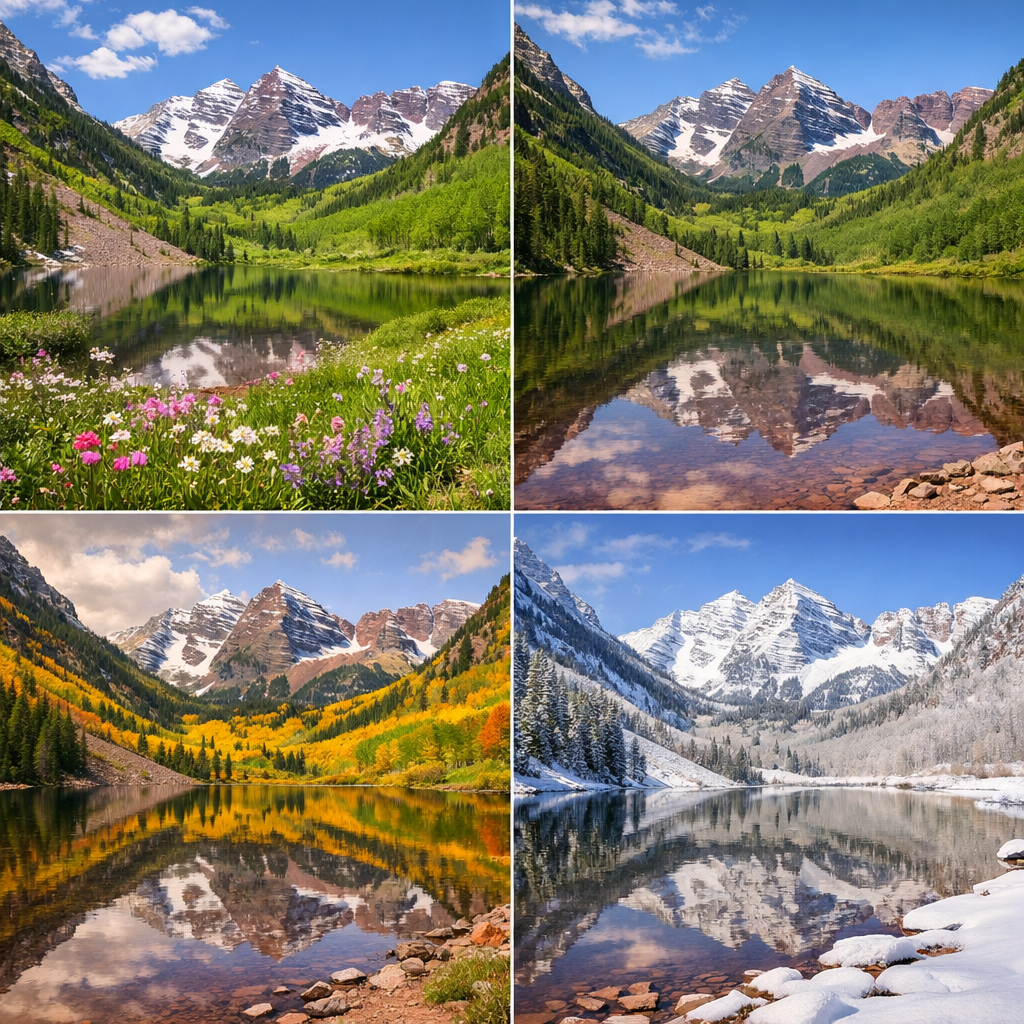
Aspen, Colorado, nestled in the heart of the Rocky Mountains, boasts a unique climate characterized by its high altitude and distinct seasonal changes. Understanding these patterns is essential for both residents and visitors to fully appreciate and prepare for the diverse weather conditions that define our region.
Seasonal Overview
Winter
Winter in Aspen is marked by freezing temperatures and substantial snowfall, creating ideal conditions for winter sports enthusiasts. Average temperatures range from lows of 7°F to highs around 36°F. Snowfall is abundant, with the season typically lasting from November to March. The combination of cold temperatures and consistent snow makes Aspen a premier destination for skiing and snowboarding.
Spring
Spring brings a gradual warming trend, with temperatures rising from lows around 11°F in March to highs nearing 50°F by May. This season often experiences a mix of lingering snow and emerging greenery, offering a unique blend of winter and spring landscapes. It’s a transitional period where residents and visitors can enjoy both late-season skiing and early hiking opportunities.
Summer
Summers are comfortable and dry, with average high temperatures peaking around 73°F in July. The low humidity and abundant sunshine make it an excellent time for outdoor activities such as hiking, mountain biking, and festivals. However, due to the high altitude, temperatures can drop significantly at night, so it’s advisable to dress in layers.
Autumn
Autumn is characterized by cooler temperatures and vibrant fall foliage. Highs decrease from around 61°F in September to 34.5°F by November. This season offers breathtaking scenery as the aspen trees turn golden, attracting photographers and nature lovers alike.
Climate Considerations
Aspen’s high-altitude climate means weather conditions can change rapidly. It’s common to experience sudden afternoon rain showers in the summer and unexpected snowfalls in the spring and fall. Therefore, it’s essential to stay informed about current weather forecasts and be prepared for varying conditions.
Additionally, the city is actively engaged in climate action initiatives to address the impacts of climate change, which include warmer temperatures and shifting precipitation patterns. These efforts aim to preserve Aspen’s natural beauty and ensure the sustainability of our environment for future generations.
By understanding Aspen’s unique climate and seasonal variations, residents and visitors can better appreciate the natural rhythms of our environment and make the most of what each season has to offer.